TNEA Code - 2763

Electrical and Electronics Engineering
About the Department
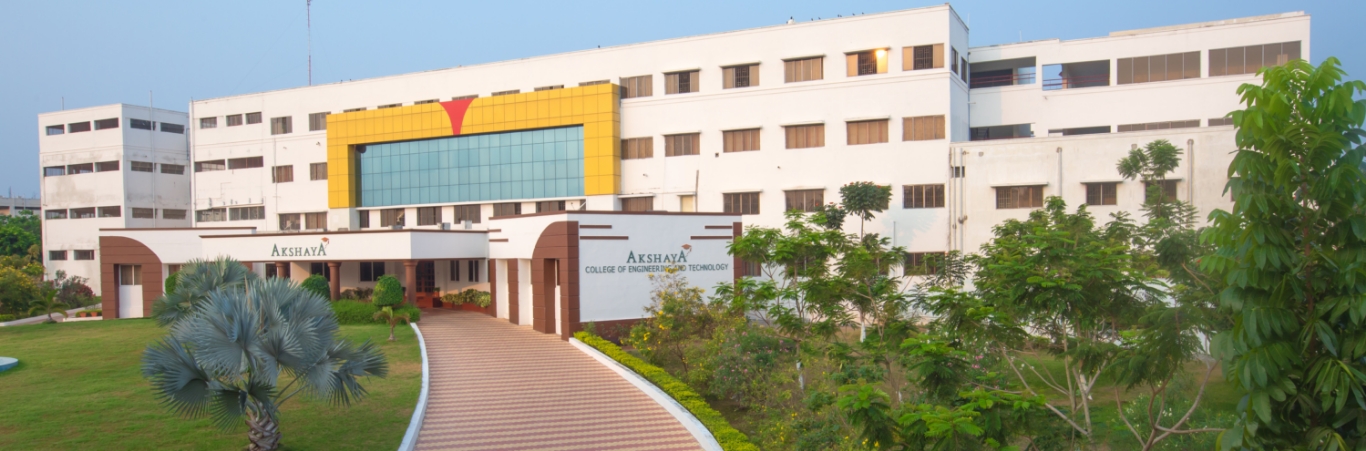
The Department of Electrical and Electronics Engineering (EEE) at Akshaya College of Engineering and Technology offers an undergraduate programme in B.E (Electrical and Electronics Engineering), with an annual intake of 30 students. The department is dedicated to provide a comprehensive understanding of electrical and electronics engineering built upon the principles of physical science, mathematics, computing, and technology. Approved by AICTE, New Delhi, and affiliated with Anna University Chennai, the department focuses on practical training in electrical engineering, emphasising experimental design and communication skills throughout the academic years.
Vision
To produce globally competent Electrical and Electronics Engineering graduates through quality education, innovation, and professional ethics.
Mission
- DM 1 : To achieve academic excellence in Electrical and Electronics Engineering through innovative, outcome-based teaching–learning practices enabled by using effective ICT tools.
- DM 2 : To develop industry-ready and employable graduates through focused career guidance, skill-based training, and effective industry collaboration.
- DM 3 : To enhance effective research and innovation in Electrical and Electronics engineering area through creative and project incubation.
Program Educational Objectives (PEO)
- PEO 1 : Apply the acquired the core knowledge to provides solutions to complex problems in power system, power electronics and renewable energy systems.
- PEO 2 : Apply Electrical and Electronics Engineering knowledge and practical skills in multidisciplinary areas for sustainable product development.
- PEO 3 : Exhibit the effective leadership skills while practicing the profession with strong ethical standards and respect for human values.
Program Outcomes (POs)
- PO 1 : Engineering knowledge: Apply the knowledge of mathematics, science, engineering fundamentals, and an engineering specialization to the solution of complex engineering problems.
- PO 2 : Problem analysis: Identify, formulate, review research literature, and analyze complex engineering problems reaching substantiated conclusions using first principles of mathematics, natural sciences, and engineering sciences.
- PO 3 : Design/development of solutions: Design solutions for complex engineering problems and design system components or processes that meet the specified needs with appropriate consideration for the public health and
safety, and the cultural, societal, and environmental considerations - PO 4 : Conduct investigations of complex problems: Use research-based knowledge and research methods including design of experiments, analysis and interpretation of data, and synthesis of the information to provide valid
conclusions. - PO 5 : Modern tool usage: Create, select, and apply appropriate techniques, resources, and modern engineering
and IT tools including prediction and modeling to complex engineering activities with an understanding of the limitations. - PO 6 : The Engineer and Society: Apply reasoning informed by the contextual knowledge to assess societal,
health, safety, legal and cultural issues and the consequent responsibilities relevant to the professional engineering practice. - PO 7 : Environment and Sustainability: Understand the impact of the professional engineering solutions in societal and environmental contexts, and demonstrate the knowledge of, and need for sustainable development.
- PO 8 : Ethics: Apply ethical principles and commit to professional ethics and responsibilities and norms of the engineering practice.
- PO 9 : Individual and Team work: Function effectively as an individual, and as a member or leader in diverse teams, and in multidisciplinary settings.
- PO 10 : Communication: Communicate effectively on complex engineering activities with the engineering community and with society at large, such as, being able to comprehend and write effective reports and design documentation, make effective presentations, and give and receive clear instructions.
- PO 11 : Project management and Finance: Demonstrate knowledge and understanding of the engineering and management principles and apply these to one’s own work, as a member and leader in a team, to manage projects and in multidisciplinary environments.
- PO 12 : Life-long learning: Recognize the need for, and have the preparation and ability to engage in independent and life-long learning in the broadest context of technological change.
Program Specific Outcomes (PSOs)
- PSO 1 : Employ fundamental electrical engineering concepts to identify, formulate and solve power systems and power electronics challenges.
- PSO 2 : Apply modern intelligent computational tools to solve electrical engineering problems and engage in lifelong learning to adapt to technological advancements.


















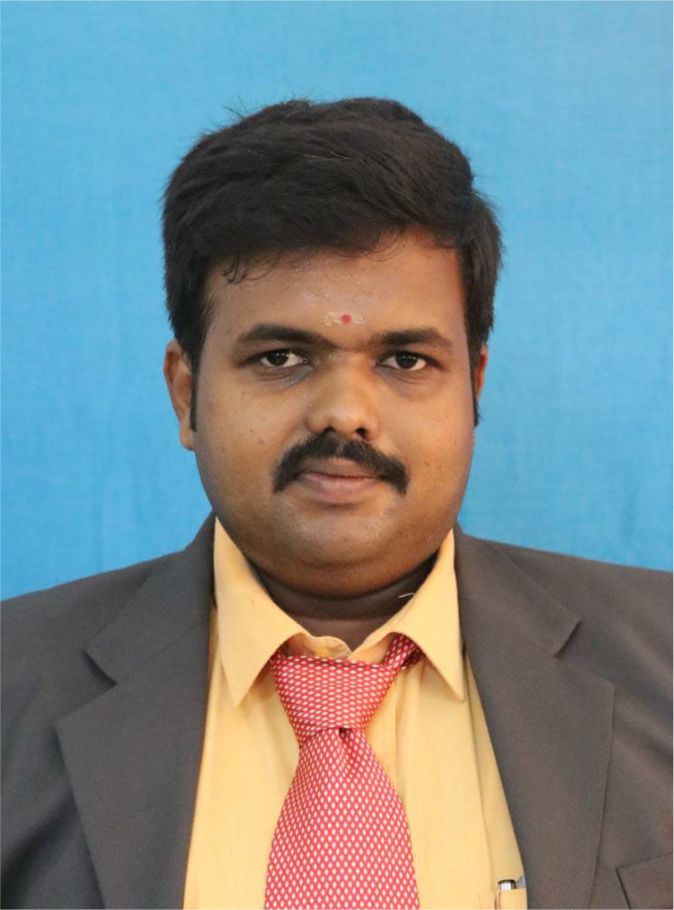
Head Of The Department (HOD)


Dr. M. Sundar Rajan
-
DesignationAssociate Professor/Head
-
Educational QualificationM.Tech., Ph.D.,
-
Teaching Experience18 Years
-
Email Idmsundarrajan84@gmail.com
Faculty Profile